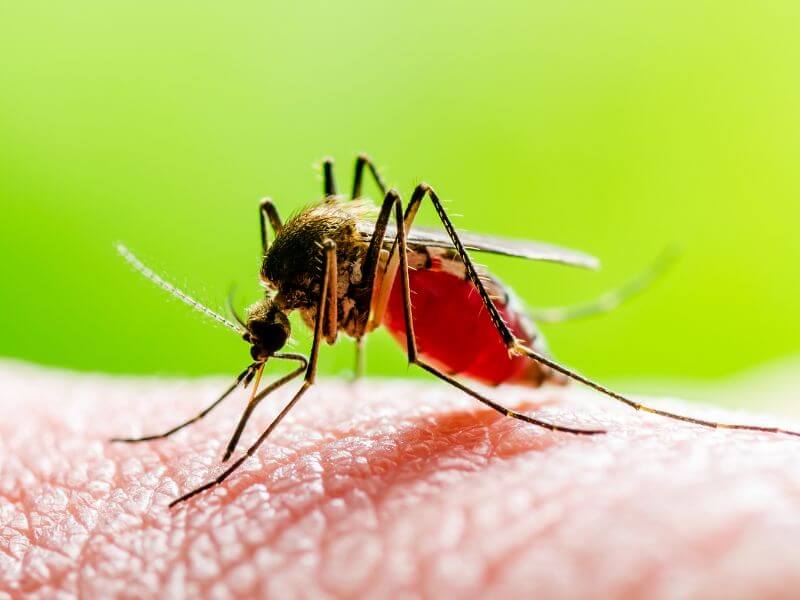
Malaria is a serious disease caused by tiny parasites called Plasmodium. These parasites are transmitted through mosquito bites. Let’s break down the essentials about malaria, how to protect yourself, and what to do if you get sick.
Why Malaria Matters?
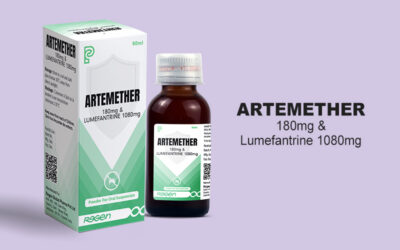
- Malaria can be severe and even fatal, especially when caused by Plasmodium falciparum. Immediate diagnosis and treatment are crucial. Antimalarial drugs, such as artemisinin-based combination therapies (ACTs), quinine, and chloroquine, are effective in treating malaria infections.
- There are effective medicines to treat malaria. They help kill the parasites in your blood and make you feel better.
The Current Landscape
- Malaria Burden: In 2022, there were 608,000 malaria-related deaths worldwide, and a staggering 249 million new cases emerged.
- African Region: The WHO African Region bears the heaviest burden, accounting for 94% of all malaria cases and deaths. Rural populations, especially those living in poverty, are disproportionately affected.
- Missed Milestones: Despite progress, critical 2025 milestones outlined in the WHO global malaria strategy remain at risk of being missed.
Who Is at Risk?
- Children: Infants and young children suffer the most. In 2022, an estimated 4 out of 5 malaria-related deaths in Africa occurred among children under 5 years old.
- Poverty and Inequity: Children from the poorest households in sub-Saharan Africa are 5 times more likely to be infected with malaria than those from wealthier households.
- Pregnant Women: Pregnancy increases vulnerability to malaria. Untreated malaria during pregnancy can lead to severe complications and adverse outcomes.
- Displaced Populations: Refugees, migrants, and Indigenous Peoples face higher risks due to adverse conditions where malaria thrives.
Our Vision: A Malaria-Free World
- Equitable Access: Everyone deserves timely, affordable access to quality malaria services. Let’s bridge the gap.
- Child Survival: Prioritize children’s health. Investing in their well-being pays dividends for generations.
- Gender Equality: Address gender inequalities that heighten women’s risk of contracting malaria during pregnancy.
- Climate and Emergencies: Climate change and humanitarian crises displace populations. We must adapt malaria responses accordingly.
How to Stay Safe?
- Avoid Mosquito Bites:
- Use bed nets treated with insecticides to keep mosquitoes away while you sleep.
Wear long sleeves and pants to protect your skin. - Use bug repellents containing DEET or picaridin.
- Use bed nets treated with insecticides to keep mosquitoes away while you sleep.
- Keep Your Environment Clean:
- Get rid of standing water where mosquitoes breed (like puddles or old tires).
- Make sure your home has good drainage.
What to Do If You Get Malaria?
- Recognize Symptoms:
- Look out for fever, chills, headache, and fatigue.
- If you feel sick after being in a malaria-prone area, get checked.
- Get Treatment:
- Doctors can diagnose malaria with a blood test.
- Take the prescribed medicines to kill the parasites.
- Special Cases:
- Pregnant women and young children need extra care. Talk to a healthcare provider.
Concrete Steps We Can Take
- Education: Raise awareness about malaria prevention, symptoms, and treatment.
- Health Equity: Advocate for equitable access to services and resources.
- Political Commitment: Sustain political will and investment in malaria control and elimination.
- Community Engagement: Empower local health workers to recognize and manage cases.
By accelerating efforts, promoting equity, and prioritizing vulnerable populations, we can turn the tide against this ancient adversary. Together, we can save lives and create a healthier, more equitable planet.
Remember, preventing mosquito bites and getting early treatment are your best defenses against malaria. Stay informed and stay safe!
Partner with us as we pave the way for a healthier world.
Disclaimer: The information provided is based on available data and industry knowledge. Always consult healthcare professionals for personalized advice.
At ReGen Global Pharma Pvt. Ltd., we’re always eager to connect with our partners, clients, and the broader community. Whether you have questions about our products, need assistance with pharmaceutical solutions, or want to explore collaboration opportunities, our dedicated team is ready to assist you.
Reach out to us via email at info@regenglobal.life, or get in touch at +91 7878 233 388. during business hours. We prioritize prompt and clear communication, ensuring that your inquiries are handled with the utmost care and professionalism. Let’s work together towards a healthier future.
Sources:
- CDC Clinical Guidance: Malaria Diagnosis & Treatment
- WHO Consolidated Guidelines for Malaria
- WHO Malaria Manual for Community Health Workers
- Compendium of WHO Malaria Guidance
- CDC Choosing a Drug to Prevent Malaria
- https://www.who.int/campaigns/world-malaria-day/2024